
Insulation Contractor in Laguna Hills, CA for Cooler Attics & Lower Bills
Laguna Hills sits behind the San Joaquin Hills, so it doesn't get much of the sea breeze. On a September afternoon, the attic over your ceiling can easily pass 130 °F. In most homes built here between the 1960s and 1980s, the only thing between that heat and your bedrooms is thin, settled fiberglass rated around R-11 to R-19. Your AC ducts often run through that same oven. Better Budget Insulation fixes the attic first. We seal the air leaks, remove worn or rodent-fouled material, and bring your insulation up to today's standards, so your home stays comfortable and your summer SCE bills come down.
We work in Saddleback Valley homes every week, so we know the local quirks. Nellie Gail Ranch estates have vaulted ceilings and complex tile roofs. Moulton Ranch has single-story tracts with original 1970s batts. Condos along the Paseo de Valencia corridor have shared attics that need HOA coordination. Our crew explains every step clearly, keeps your home clean and stands behind the finished job, whether you need one attic topped off or a full removal and replacement. We also serve Laguna Woods, Aliso Viejo and Mission Viejo.
- ✓Bonded and insured
- ✓Free in-home consultation
- ✓Financing available
- ✓Serving homes within 20 miles of Laguna Hills
- ✓Attic, spray foam, blown-in and crawl space insulation
- ✓Full insulation removal and replacement
Request Your Free Estimate
No obligation. Fast, honest quotes.
Thank you — your request was sent!
A member of the Better Budget Insulation team will reach out shortly. Need help now? Call (949) 264-5643.
Why Laguna Hills Homes Need Better Insulation
Laguna Hills isn't Laguna Beach. It sits 6–8 miles inland, and the hills block the cooling ocean air. Hot inland summers, Santa Ana winds, cool marine nights and a housing stock that's mostly 40 to 60 years old all put more strain on your attic than most homeowners realize.
Inland Heat, Santa Ana Winds and Marine-Layer Mornings
August highs usually reach the low-to-mid 80s, and heat waves regularly push the valley into the 90s and sometimes past 100 °F. Under concrete tile or composition shingles, a poorly vented attic can top 130 °F, and that heat radiates straight down through thin insulation. In fall, Santa Ana winds bring dry, gusty air, with humidity sometimes in the single digits. That air pushes dust and wildfire smoke through every unsealed gap in the ceiling. Winter nights still fall into the low 40s, so the same insulation that keeps heat out in summer holds warmth in from December through February. Most of the area's 12–14 inches of annual rain falls between November and March. During May Gray and June Gloom, morning condensation shows up in attics with poor airflow. The strong UV and long cooling season make radiant barriers and good ventilation worth considering alongside added R-value.
A Housing Stock Built Before Modern Energy Codes
Most of Laguna Hills was built from the mid-1960s through the 1980s on former Moulton Ranch land, well before the city incorporated in 1991. That means three main types of homes: 1960s–70s single-story and two-story tracts, 1970s–80s custom estates in Nellie Gail Ranch with vaulted ceilings and complicated rooflines, and a large stock of HOA condos and townhomes. Most attics still hold their original insulation, typically R-11 to R-19, which has been compressed by storage, foot traffic and decades of cable and HVAC work. Attic hatches, can lights, top plates and plumbing chases are rarely sealed. Stucco walls often have little or no insulation. Expansive clay soils shift with the seasons and crack drywall, which opens new air leaks over time. Roof rats are common here, and they nest in exactly this kind of loose, aging material.
Title 24, HOAs and Wildfire Rules
Laguna Hills generally falls in California Title 24 Climate Zone 8, but we confirm the zone for each address. When an attic is altered, ducts are replaced or a new HVAC system goes in, the 2022 Energy Code can require ceiling insulation of about R-38, plus duct sealing and HERS rater verification. Permits go through the City of Laguna Hills Building & Safety division. Homes built before 1978, and homes with popcorn ceilings or old duct wrap, need asbestos testing and lead-safe practices before anything is disturbed, as required by South Coast AQMD Rule 1403 and Cal/OSHA. Nellie Gail Ranch has its own architectural review, and condo associations often control attic access, vents and work hours. Parcels near canyon edges and open space may fall under Chapter 7A ember-resistant vent requirements.
Who Lives Here, and What They Want From an Upgrade
About 31,000 people live in Laguna Hills, and home values commonly exceed $1 million. Many owners have lived here for decades. The city borders Laguna Woods Village, and families keep moving in for Saddleback Valley Unified schools. Lots of homes are being updated before a sale, after an estate transfer or by new buyers modernizing a 1970s house. Solar and heat-pump adoption is high. Insulating first lets a smaller system do more work. Homeowners here tell us they want a clean, quick job, clear answers about permits and possible SCE or SoCalGas programs, and a contractor who will show up when promised.
Common Insulation Problems in Laguna Hills Homes
Most of the attics we open in Laguna Hills have a few of the same problems. They come from the home's age, the inland heat and local wildlife. Here's what we find most often, why it happens here, and how to spot it before it costs you more on your electric bill or your health.
Settled, Undersized Original Attic Insulation Moderate
This is insulation from the 1960s–80s, usually fiberglass batts or blown rock wool rated about R-11 to R-19 when it went in. Decades of settling and compression have pushed its real performance even lower, well below the R-38 level that current California standards target.
Why it's common hereMost Laguna Hills homes were built before Title 24 existed or under its earliest versions. Since then, every cable install, HVAC swap and box stored in the attic has flattened the insulation a little more. Under tile roofs that bake past 130 °F, thin insulation lets heat pour into the rooms below. That peak heat arrives in the late afternoon, which is exactly when SCE's time-of-use rates are highest. So a weak attic costs you more per hour than it would in a cooler coastal home.
Signs you'll notice- Upstairs or back bedrooms stay hot into the evening
- Ceiling feels warm to the touch on summer afternoons
- You can see the tops of ceiling joists in the attic
- Insulation looks gray, matted or thin, often under 6 inches
- Your AC runs nonstop on 90 °F days
- Summer electric bills climb year after year
This is nearly universal in Moulton Ranch and Sheep Hills Park–area tracts from the 1970s, and it's common in two-story homes off Alicia Parkway, where upstairs rooms take the worst of the heat. Calls about it spike during September heat waves.
Our fix: Air-seal the ceiling plane, then add blown-in fiberglass or cellulose over the existing layer, or replace it, to reach roughly R-38 to R-49 with an even, measured depth.
Rodent-Contaminated Insulation Serious
Roof rats and mice tunnel through attic insulation, nest in it, and leave droppings and urine behind. Once that happens, the material loses R-value, holds odors and can carry pathogens such as hantavirus. Adding more insulation on top doesn't fix it.
Why it's common hereMature landscaping, citrus and avocado trees, ivy-covered slopes and the open space around Laguna Hills give roof rats plenty of food and cover. They get into attics through gaps at roof tile ends, vents and utility penetrations, which are common on 40- to 60-year-old homes. Loose, aging insulation makes perfect nesting material. Local hillsides and greenbelts mean pressure from rodents never really lets up, so entry points have to be sealed before new insulation goes in. Otherwise the problem comes right back.
Signs you'll notice- Scratching or scurrying overhead at night
- Musty or ammonia-like odor near the hatch or ceiling vents
- Droppings on the attic floor or ductwork
- Tunnels or flattened trails through the insulation
- Chewed wiring, duct wrap or vent screens
- Unexplained allergy flare-ups indoors
We see this often in homes that back up to greenbelts and slopes near Nellie Gail Ranch trails, the Sheep Hills Park area and properties with mature fruit trees along the Ridge Route / Lake Forest Drive area.
Our fix: Remove all contaminated insulation, sanitize and deodorize the attic, seal entry points, then install fresh insulation to current R-values.
Leaky, Under-Insulated Attic Ductwork Serious
These are supply and return ducts in the attic with failed seals, crushed runs or thin original wrap. Cooled air leaks into a 130 °F space before it ever reaches your rooms, and the attic heat warms whatever air does make it through.
Why it's common hereMost Laguna Hills homes sit on a slab, so nearly all ductwork runs through the attic. Many systems are original or patched after decades of repairs. With long inland cooling seasons and frequent 90 °F+ afternoons, duct losses add up fast. If you upgrade insulation without addressing the ducts, you only get part of the savings. And replacing ducts usually triggers Title 24 sealing and HERS verification anyway, so the two jobs make sense together.
Signs you'll notice- Weak airflow from some registers
- Rooms at the end of long duct runs never cool
- Dust streaks around ceiling registers
- Disconnected or sagging duct sections in the attic
- Torn or brittle duct jacket
- AC runs long cycles without reaching the set temperature
This is common in larger Nellie Gail Ranch homes with long duct runs, and in two-story homes along the Paseo de Valencia corridor where a single system serves both floors.
Our fix: Seal and insulate the ductwork, or coordinate replacement with your HVAC contractor, then bury or cover the ducts with insulation where the layout allows. Testing and HERS verification are handled as required.
Unsealed Ceiling Penetrations and Santa Ana Air Leaks Moderate
These are gaps around can lights, attic hatches, top plates, plumbing and electrical chases, and bath fans that let attic air flow freely into your living space. Insulation alone doesn't stop air. Fiberglass in particular slows heat but lets air pass through.
Why it's common hereBuilders in the 1960s–80s rarely air-sealed. On top of that, Laguna Hills' expansive clay soils shift seasonally, cracking drywall and opening new gaps over time. When dry Santa Ana winds blow, the pressure pulls attic dust, and during fire season wildfire smoke, straight into bedrooms. Air-sealing is now one of the most effective comfort and indoor-air-quality upgrades for homes in the Saddleback Valley.
Signs you'll notice- Dark dust rings around can lights or the hatch
- Dirty streaks on insulation above interior wall tops
- Smoky smell indoors during fire season
- Drafts near recessed lights
- Dust builds up quickly after windy days
- Cracks in ceiling drywall
Most noticeable in homes near canyon edges and open space, in hillside lots where soil movement cracks finishes, and in Village at Laguna Hills–area condos with many recessed lights.
Our fix: Seal top plates, chases and penetrations with foam and sealant, install a weatherstripped and insulated hatch, then insulate over the sealed ceiling.
Vaulted Ceilings with Little to No Insulation Moderate
Cathedral and vaulted ceilings built with shallow rafter cavities, often 2x6 or 2x8, have no attic space above them. They frequently hold only thin batts, sometimes R-11, and those rooms overheat fast on sunny afternoons.
Why it's common hereCalifornia contemporary and custom homes from the 1970s and 80s, especially in Nellie Gail Ranch, featured dramatic vaulted great rooms under low-pitch tile roofs. There's no easy way to add insulation from above. Strong inland sun on south- and west-facing roof planes makes these rooms the hottest in the house, and they often hold heat late into the evening.
Signs you'll notice- Great room or loft is far hotter than the rest of the house
- Ceiling radiates heat on summer afternoons
- Condensation or staining along the ridge
- No accessible attic above the vault
- Ceiling fans can't keep the room comfortable
This is typical in Nellie Gail Ranch estates and semi-custom homes on Laguna Hills ridgelines, where complex rooflines combine vaulted living areas with small, hard-to-reach attic pockets.
Our fix: Use closed-cell or open-cell spray foam in reachable rafter bays, or dense-pack insulation through small access points, selected to match the roof assembly and ventilation needs.
Suspected Asbestos in Popcorn Ceilings or Old Duct Wrap Serious
Many homes built before the 1980s have acoustic "popcorn" ceilings, old duct insulation or other materials that may contain asbestos. When disturbed during insulation removal or ceiling work, these materials can release hazardous fibers.
Why it's common hereMuch of Laguna Hills was built in the exact years when asbestos-containing products were common. Estate sales and remodels mean these materials get disturbed more often. South Coast AQMD Rule 1403 and Cal/OSHA require proper testing and handling before removal, and EPA lead-safe practices apply to paint in homes built before 1978.
Signs you'll notice- Textured popcorn ceilings original to the home
- Gray or white paper-like wrap on older ducts
- Crumbling material around old ducts or the furnace
- Vermiculite-looking granules in the attic
- Home built before about 1980 with no remodel records
This comes up often in 1960s–70s tracts around the Laguna Hills Town Center / Civic Center area and in homes being prepared for sale or for large remodels by new owners.
Our fix: Stop work and test suspect materials first. If results are positive, a properly certified abatement contractor handles removal before any insulation work begins.
Uninsulated Crawl Spaces on Hillside Lots Minor
These are raised-foundation homes where the subfloor has little or no insulation. Cool air under the house chills the floors in winter, and the open crawlspace lets moisture, pests and outside air into the home.
Why it's common hereMost Laguna Hills homes sit on a slab, but hillside lots often use raised foundations. Cool, clear winter nights in the low 40s in low-lying valley areas make those floors cold. Over the years, batts sag or fall out, and rodents pull them down.
Signs you'll notice- Cold floors in winter
- Batts hanging or lying on the ground
- Musty smell from below the floor
- Rodent activity in the crawlspace
- Higher winter gas bills
Found mainly on sloped lots near Nellie Gail Ranch and hillside streets off Moulton Parkway and Alicia Parkway, where builders stepped homes down the grade.
Our fix: Remove fallen batts, install properly supported underfloor insulation, and seal gaps and vents against pests and drafts.
Insulation Services Built for Laguna Hills Homes
Every home here is a little different. A Moulton Ranch tract attic, a Nellie Gail Ranch vaulted great room and a shared townhome attic each need their own approach. We match the material and method to your home's structure, roof type and goals, and we explain exactly why before any work starts.
Attic Insulation ⭐ Specialty
We bring your attic up to modern performance levels, typically R-38 to R-49. We start by air-sealing the ceiling, then insulate the hatch, baffle the eaves and install an even, measured layer across the whole attic floor.
Our approachWe inspect depth and condition, seal top plates and penetrations, protect can lights, install vent baffles so airflow stays clear, and then add blown or batt insulation. Depth markers let you see the result.
In Laguna Hills, CAIn Laguna Hills, the attic is where most of the summer heat gets in and where your ducts live. Upgrading it is usually the biggest single cut you can make in cooling costs, especially during SCE's late-afternoon peak-rate hours and September heat waves.
Best for: Homeowners with original 1960s–80s insulation, hot upstairs rooms, high summer bills, or plans to add solar or a heat pump soon.
Spray Foam Insulation ⭐ Specialty
We apply open-cell or closed-cell spray foam that insulates and air-seals in one step. It's ideal where there's no room for thick blown insulation or where air leakage is the main problem.
Our approachWe assess the roof assembly and ventilation, protect surfaces, apply foam to the specified thickness, trim it, and check coverage. We'll recommend open-cell or closed-cell based on your space, moisture conditions and budget.
In Laguna Hills, CASpray foam works well in vaulted ceilings, tight rafter bays under low-pitch tile roofs, rim joists and bonus rooms, which are common in Nellie Gail Ranch and custom homes. It also blocks Santa Ana dust and smoke from getting in.
Best for: Vaulted or cathedral ceilings, conditioned-attic conversions, hard-to-reach cavities, and homeowners who want maximum air-sealing.
Blown-In Insulation
We install loose-fill fiberglass or cellulose that fills gaps, wraps around wiring and framing, and reaches high R-values cost-effectively across open attic floors.
Our approachWe set depth rulers, air-seal first, then blow material to a consistent depth with the correct settled density. In some cases we dense-pack closed wall cavities through small, patched access holes.
In Laguna Hills, CAThis is the most common upgrade for Laguna Hills tract homes. Blowing new material over sound existing insulation is a fast, budget-friendly way to go from R-19 to R-38 or more, often in a single day.
Best for: Open attics with adequate clearance, homes with sound but thin existing insulation, and budget-minded upgrades.
Insulation Installation
We install insulation in attics, walls, floors, garages and additions, choosing batts, blown, or spray foam to match the space and code requirements.
Our approachWe measure the space, confirm target R-values for your climate zone, air-seal, install to manufacturer specs, and clean up thoroughly. When a permit applies, we coordinate it with the work.
In Laguna Hills, CAThis fits remodels, garage conversions, ADUs and additions, which are common as families update 1970s Laguna Hills homes. Title 24 compliance needs to be built in from the beginning.
Best for: Remodels, additions, ADUs, garage conversions and new framing that needs code-compliant insulation.
Insulation Removal
We vacuum out old, contaminated or failed insulation with commercial-grade equipment and bag it for disposal, so your attic is clean before anything new goes in.
Our approachWe contain the work area, run high-powered vacuum hoses from the truck to the attic, remove debris and droppings, sanitize affected surfaces, and identify rodent entry points. Suspect asbestos materials get tested before any removal.
In Laguna Hills, CARoof rat activity is common across Laguna Hills, so many removal jobs involve droppings and nesting. Removal is also often the first step for estate-sale homes and pre-listing updates.
Best for: Rodent-damaged attics, smoke- or water-damaged insulation, and homes preparing for a full insulation and duct upgrade.
Insulation Replacement
This is a complete swap. We remove the old insulation, sanitize and air-seal the bare attic, then install new insulation to current performance levels in one coordinated project.
Our approachRemoval, cleaning, sealing entry points and ceiling penetrations, baffle installation, then new blown or batt insulation. We schedule it around HVAC or duct work when that's happening too.
In Laguna Hills, CAThis is ideal before a duct replacement or new HVAC system, which can trigger Title 24 R-38 requirements. It's also a good fit for homes in condo or Nellie Gail Ranch HOAs that want one clean, well-documented job.
Best for: Homes with contaminated or badly compressed insulation, HVAC changeouts, and owners updating a home before selling or after buying.
Crawl Space Insulation
We insulate the floors of raised-foundation homes and seal openings, so floors stay warmer and the crawlspace stops letting in drafts and pests.
Our approachWe clear out fallen or damaged batts, install correctly sized insulation with proper supports, seal gaps around plumbing and ducts, and note any moisture or pest issues.
In Laguna Hills, CAThis is most relevant on Laguna Hills hillside lots with raised foundations. Cool valley winter nights make those floors uncomfortable, and seasonal soil movement can open new gaps over time.
Best for: Hillside homes with raised foundations, cold floors, or insulation that has fallen down or been damaged by rodents.
Our Insulation Process, Step by Step
No surprises and no mess left behind. Here's what to expect from the first call to the final walkthrough, including the local permit and HOA details we handle along the way.
Free Consultation and Attic Inspection
- We measure current insulation depth and condition
- We check for rodent activity, air leaks and duct condition
- We note vent types, roof style and any suspect asbestos materials
- We talk through comfort problems room by room
Local note: We confirm your Title 24 climate zone, HOA requirements and whether the parcel sits near open space where ember-resistant vents may apply.
Clear Written Proposal
- Itemized scope with target R-values
- Options from basic top-off to full replacement
- Financing options explained
- Notes on permits, HERS testing and possible utility programs
Local note: If your project involves duct or HVAC work, we explain how Title 24 requirements affect the scope before you commit.
Scheduling, Permits and HOA Coordination
- We pull permits through Laguna Hills Building & Safety when required
- We prepare the documents your HOA needs
- We set work dates around your schedule
- We arrange asbestos testing if any materials are suspect
Local note: Condo and townhome associations often set contractor hours and attic access rules. Nellie Gail Ranch has its own architectural review.
Installation Day
- We protect floors, furniture and the path to the attic
- We remove and sanitize where needed, then air-seal
- We install baffles, insulate the hatch and add new insulation
- We clean up completely every day
Local note: In summer we start early to avoid the hottest attic hours, which is safer for the crew and better for the quality of the work.
Final Walkthrough and Documentation
- We show you photos and the installed depth markers
- We confirm the R-value achieved
- We schedule permit or HERS verification if required
- We give you paperwork for your records and any rebate applications
Local note: This documentation is helpful for resale disclosures and for showing buyers the upgrades you've made.
Why Laguna Hills Homeowners Choose Better Budget Insulation
We Know Saddleback Valley Attics
Laguna Hills homes have their own patterns. We regularly see concrete-tile roofs over 1970s tracts, low-pitch rooflines and vaulted great rooms in Nellie Gail Ranch, and shared attics in condo communities along Paseo de Valencia. We know where roof rats tend to get in, which ceilings leak the most air when the Santa Anas blow, and why upstairs rooms off Alicia Parkway stay hot until midnight. That local experience means a more accurate inspection, a scope that fits your home, and fewer surprises once we're in the attic.
Bonded and Insured for Your Protection
Better Budget Insulation is bonded and insured. When we're working in your attic, walking your ceiling joists or running vacuum hoses through your home, you're protected. For homeowners in Laguna Hills, where homes regularly exceed a million dollars, that matters. We're happy to provide proof of coverage with your proposal. Your HOA may ask for it too, and we can send documentation directly to your property manager so approvals move faster.
Insulation Is All We Do
We're not a roofer or a handyman who does insulation on the side. Our focus is attic insulation, spray foam, blown-in, crawl spaces, and insulation removal and replacement. That specialization shows in the details. We seal top plates before blowing, install baffles so eave vents keep breathing, protect can lights, and insulate the hatch so it doesn't become the weak spot. Those details decide whether an upgrade actually lowers your bill.
Honest, Budget-Friendly Pricing
Our name says it. We give you an itemized written proposal with clear options. Sometimes the right answer is a $2,500 air-seal and top-off, not a full tear-out, and we'll tell you so. If your existing insulation is clean and sound, we'll recommend building on it. If it's contaminated by rodents, we'll show you photos and explain why replacement is the safer choice. You'll know the price and the reason for every line item before we start.
Clean, Respectful, Low-Disruption Work
Many of our clients are longtime residents, retirees near Laguna Woods, or families getting a home ready to sell. They all want the same thing: a job done quickly that doesn't take over the house. We cover floors, protect furniture, route hoses carefully, and clean up every day. We communicate clearly about arrival times and what's happening, and we walk you through the finished attic with photos so you can see exactly what you paid for.
Financing That Makes Upgrades Doable
A full removal, sanitizing and replacement job, or a spray foam project for a vaulted ceiling, can be a real expense. We offer financing so you don't have to wait through another summer of high SCE bills. Many homeowners pair the upgrade with solar or a new heat pump. Insulating first can let you size those systems smaller and get more from them. We'll walk you through your options during the free consultation.
Permit, Title 24 and HOA Paperwork Handled
Duct changeouts and attic alterations can trigger Title 24 requirements and HERS verification, and most Laguna Hills neighborhoods have an HOA. We explain what applies to your project in plain language, coordinate permits with Laguna Hills Building & Safety when they're needed, and prepare documentation for your association. If we suspect asbestos, we arrange testing before work starts. You won't be left sorting out the regulations yourself.
Trusted by Laguna Hills Homeowners
Homeowners across the Saddleback Valley choose Better Budget Insulation for clear communication, clean job sites and work we stand behind, whether it's a single condo attic or a full Nellie Gail Ranch replacement.
Bonded • Insured • Financing Available
Insulation Services in Laguna Hills and Nearby South Orange County
We're based around Laguna Hills and serve homes within about 20 miles. That covers the whole Saddleback Valley and nearby South County cities, with similar housing ages, inland heat and HOA rules.
Laguna Hills Neighborhoods
Central Laguna Hills Corridors
Neighboring Cities
We serve homes within roughly 20 miles of Laguna Hills. If you're not sure whether you're in range, call us or reach out through our contact page. Not sure if we cover your area? Call (949) 264-5643.
How Much Does Insulation Cost in Laguna Hills?
Prices depend on your attic's size, condition and access, and on whether old material has to come out first. These ranges reflect typical South Orange County projects. Your free consultation gets you a firm, itemized number.
Removal and Contamination Primary Factor
Whether the old insulation can stay is the biggest swing in price. Clean, sound insulation can usually be topped off. Rodent-contaminated material has to be vacuumed out, bagged and disposed of, and the attic sanitized and its entry points sealed. That can roughly double the cost of a project. Removal is also labor-intensive in tight attics under low-pitch tile roofs, which are common in Laguna Hills.
Attic Size and Target R-Value Primary Factor
Cost scales with square footage and depth. Going from R-19 to R-38 takes less material than going from bare joists to R-49. A 1,200 sq ft condo attic and a 3,500 sq ft Nellie Gail Ranch attic are very different jobs. If Title 24 applies because of an HVAC or duct change, R-38 is generally the minimum target.
Insulation Type Secondary Factor
Blown fiberglass and cellulose are the most cost-effective choices for open attics. Batts fall in the middle. Spray foam costs considerably more per square foot but insulates and air-seals in one step, and it's often the only practical choice for vaulted ceilings or tight rafter bays. Closed-cell foam costs more than open-cell.
Air-Sealing and Access Secondary Factor
Thorough air-sealing of top plates, can lights, chases and the hatch adds labor but delivers much of the comfort improvement. Homes with limited clearance, complex rooflines, multiple attic sections or wall cavities that need drilling through stucco take more time and cost more.
Permits, Testing and HOA Requirements Situational Factor
Projects tied to duct or HVAC work may need permits and HERS verification. Homes with suspect popcorn ceilings or old duct wrap need asbestos testing, and abatement if results are positive, before work starts. HOA scheduling limits in condo communities can also affect how the job is planned.
| Typical project | Details | Estimated range |
|---|---|---|
| Air-seal and blown-in top-off | About 1,600 sq ft single-story Moulton Ranch tract, clean existing R-19, upgraded to about R-38 to R-49 | $2,200 – $4,200 |
| Full removal, sanitizing and replacement | About 1,800 sq ft attic with roof rat contamination, entry points sealed, new blown insulation to about R-38 | $5,000 – $9,500 |
| Spray foam for vaulted great room | Nellie Gail Ranch custom home, about 600–900 sq ft of rafter bays under a low-pitch tile roof | $5,500 – $12,000 |
| Condo or townhome attic upgrade | About 900–1,200 sq ft attic, HOA coordination, air-sealing plus blown-in insulation | $1,600 – $3,200 |
Financing is available, so you can upgrade before the next heat wave instead of waiting. Ask about options during your free consultation. Laguna Hills attics often hit 130 °F during SCE's peak-rate hours, so a well-sealed, well-insulated attic pays you back in lower bills, a smaller load on your HVAC, cleaner indoor air and a stronger selling point at resale. Ask about any current SCE or SoCalGas programs, since availability changes.
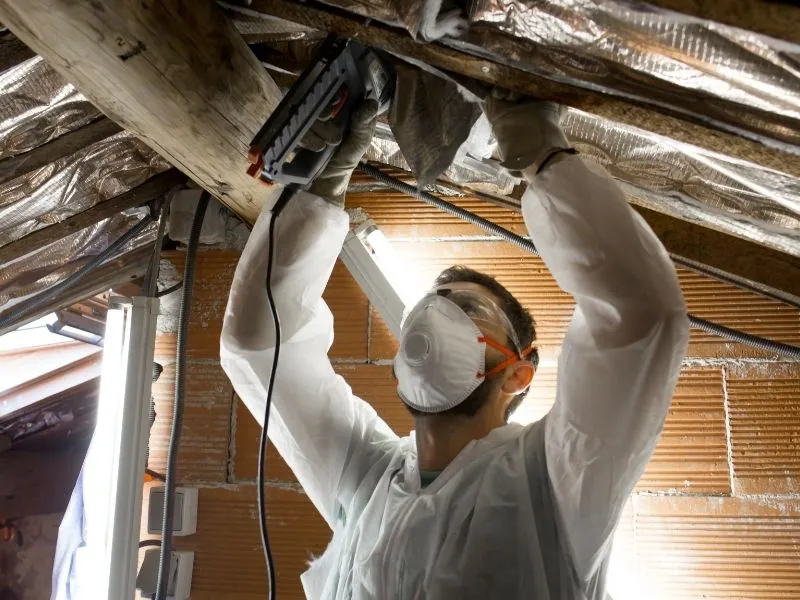
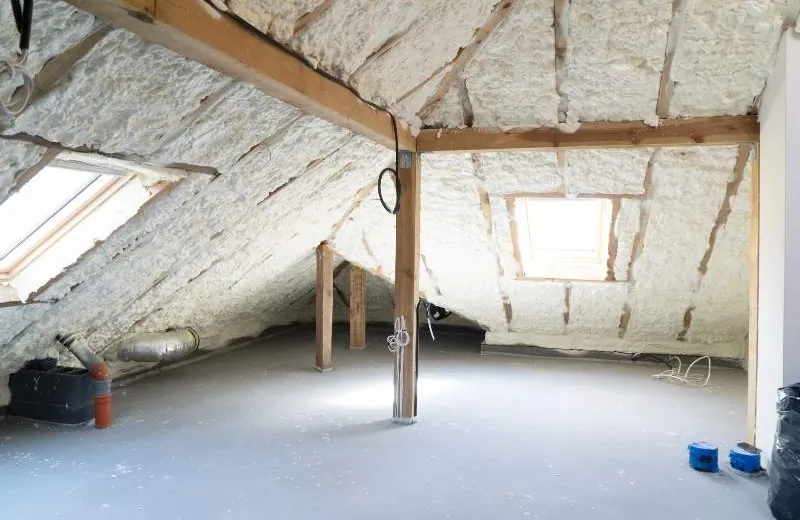
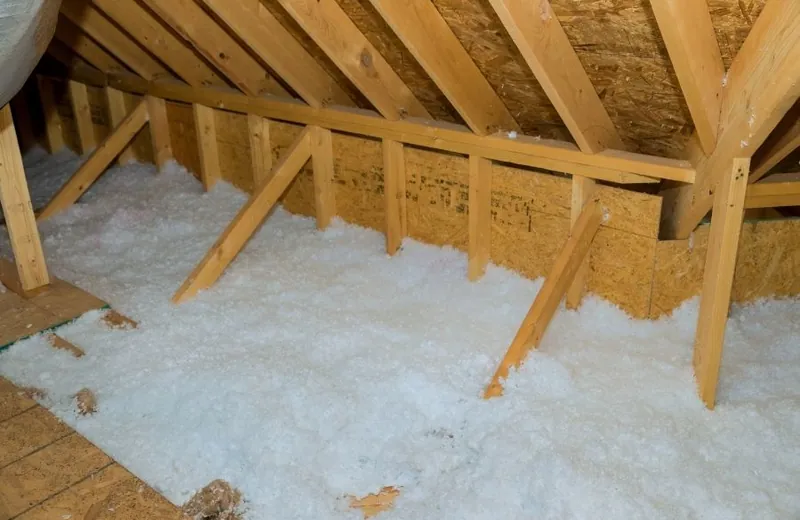
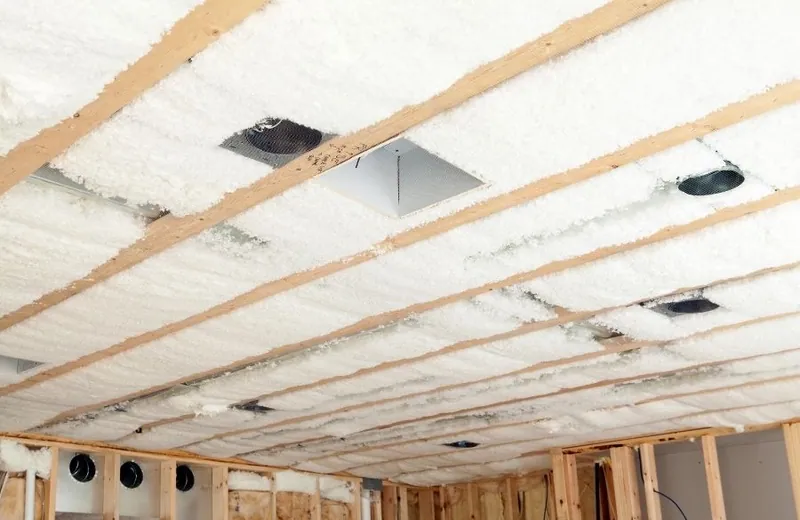
Recent insulation Projects in Laguna Hills, CA

Insulation Questions from Laguna Hills Homeowners
How much does attic insulation cost in Laguna Hills?
Most air-seal and blown-in top-offs for a typical Laguna Hills tract home cost about $2,200 to $4,200. If rodents have contaminated the old insulation and it has to be removed, sanitized and replaced, expect about $5,000 to $9,500. Spray foam for vaulted ceilings usually runs $5,500 to $12,000 depending on the area. Your price depends on attic size, the R-value you're aiming for, accessibility and whether permits or HOA steps apply. We provide a free, itemized proposal after inspecting your attic, and financing is available.
How long does an insulation job take?
A standard attic air-seal and blown-in upgrade usually takes one day. Full removal and replacement typically takes two to three days, depending on attic size and how much sanitizing is needed. Spray foam projects for vaulted ceilings or bonus rooms commonly take one to three days. Scheduling can take longer if your HOA requires approval or if your project needs a permit or asbestos testing first. In summer we start early in the morning because Laguna Hills attics get dangerously hot by early afternoon.
Do I need a permit or HOA approval for insulation in Laguna Hills?
A simple insulation top-off often doesn't need a permit. But when insulation work happens alongside duct replacement, a new HVAC system or attic alterations, California's Title 24 Energy Code can apply. That usually means ceiling insulation around R-38, duct sealing and HERS verification, with permits through Laguna Hills Building & Safety. Many neighborhoods, including Nellie Gail Ranch and most condo communities, have HOAs that control attic access, vents and contractor hours. We'll tell you what applies to your home and help with the paperwork.
How do I know if my insulation needs to be replaced or just topped off?
If your existing insulation is dry, clean and free of rodent droppings, adding more on top after air-sealing is usually the most cost-effective approach. Replacement makes sense when there's rodent contamination, odor, water or smoke damage, or heavy compression from storage and foot traffic. Replacement is also smart when you're replacing ductwork, since a clean attic makes that work easier and safer. During your free inspection, we'll take photos and show you exactly what we found.
Is spray foam or blown-in insulation better for my home?
For most open Laguna Hills attics, blown-in fiberglass or cellulose over a properly air-sealed ceiling gives you the best value. Spray foam is the better choice for vaulted and cathedral ceilings, tight rafter bays under low-pitch tile roofs, bonus rooms and conditioned-attic conversions, where there isn't room for thick loose fill. Foam also seals air very well, which helps keep out Santa Ana dust and wildfire smoke. It costs more per square foot, so we usually recommend it only where it clearly makes sense.
When should I upgrade my insulation?
Act soon if you hear rodents in the attic, notice odors or see droppings. Contaminated insulation affects your indoor air quality. Otherwise, the best time is spring, before the inland heat arrives, or right before replacing your HVAC system, ducts or roof, or installing solar. Insulating first can let you choose a smaller system and get more out of it. If upstairs rooms stay hot into the evening or your summer bills keep climbing, your attic is very likely the cause.
How can I keep rodents and dust out of my attic in the future?
Prevention starts with sealing entry points such as gaps at roof tile ends, damaged vent screens, and openings around pipes and utility lines. Trimming trees and vines back from the roofline helps too. Inside, air-sealing the ceiling plane keeps Santa Ana dust and smoke from being pulled into your rooms. Keep stored boxes off the insulation so it doesn't compress, and take a quick look in the attic once a year. If you live near open space, ask whether ember-resistant vents make sense for your parcel.
What about asbestos in older Laguna Hills homes?
Many homes built before about 1980 have popcorn ceilings, older duct wrap or other materials that may contain asbestos. If we see anything suspicious during the inspection, we pause and arrange testing before any removal. That's what South Coast AQMD Rule 1403 and Cal/OSHA require. If results come back positive, a properly certified abatement contractor removes the material first, and then we complete the insulation work. Lead-safe practices also apply when paint is disturbed in homes built before 1978.
Serving Laguna Hills, CA & Nearby
Get a Cooler, Cleaner, More Efficient Laguna Hills Home
Don't let another inland heat wave run up your SCE bill. Schedule a free attic inspection and find out exactly what your home needs, with honest options at a budget-friendly price.
- ✓Free in-home consultation and attic inspection with photos
- ✓Itemized written proposal with clear options, including top-off, replacement and spray foam
- ✓Bonded and insured crew that respects your home
- ✓Air-sealing done before insulation for real comfort gains
- ✓Help with permits, Title 24 and HOA paperwork
- ✓Financing available
- ✓Thorough cleanup and a final walkthrough
Bonded • Insured